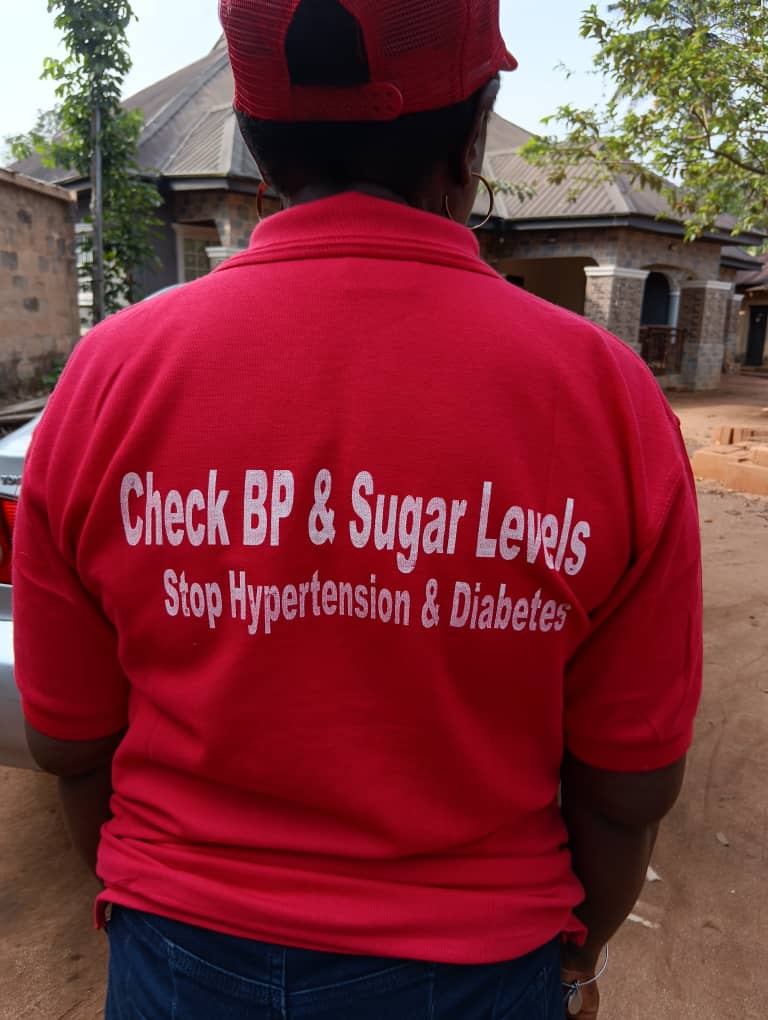
Non-communicable diseases (NCDs)—particularly hypertension and type 2 diabetes—are quietly becoming one of Nigeria’s most urgent public health challenges. While infectious diseases have long dominated attention, millions of Nigerians are now living with chronic conditions that often go undetected until complications arise. In rural and underserved communities, the situation is even more severe: awareness is low, access to care is limited, and many people rely on self-medication or informal treatment pathways.
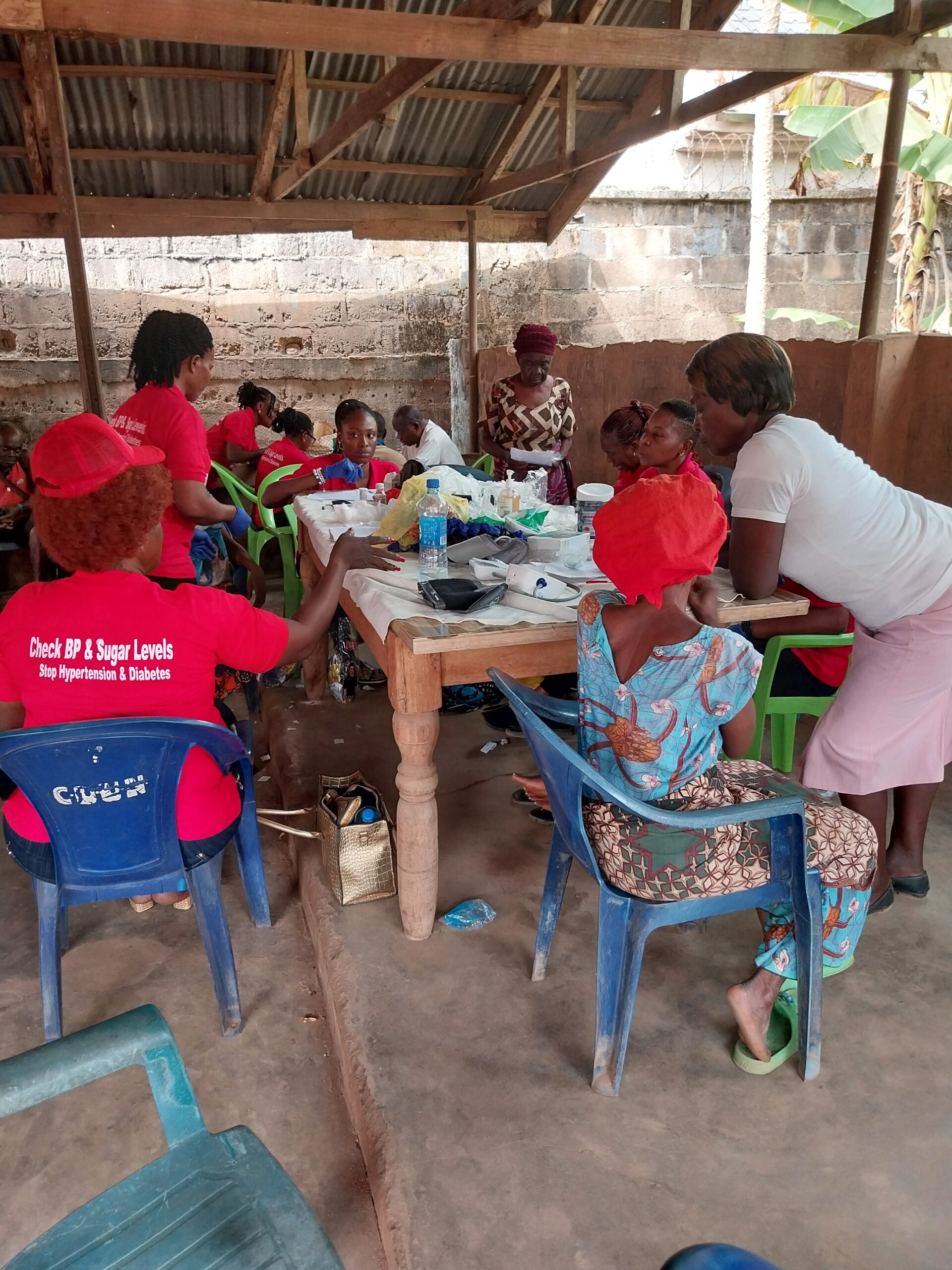
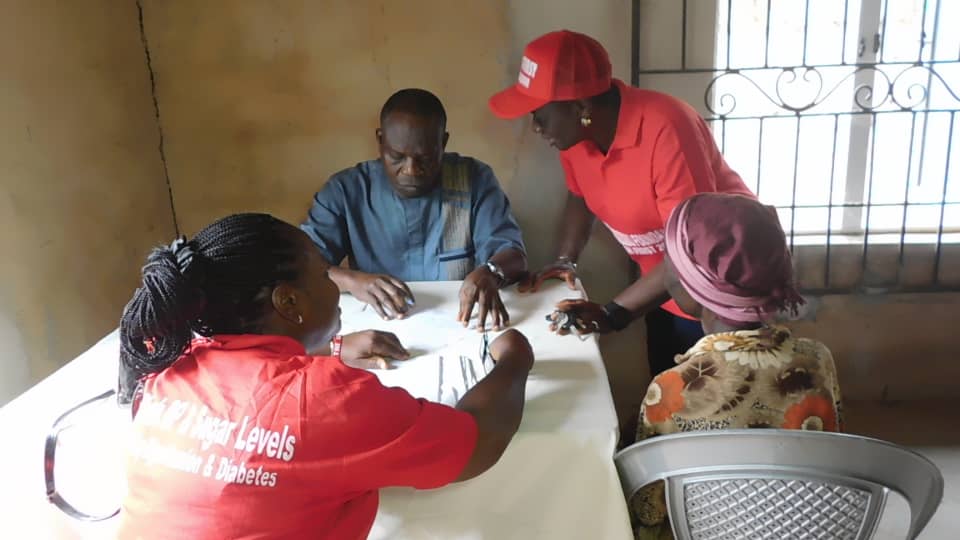
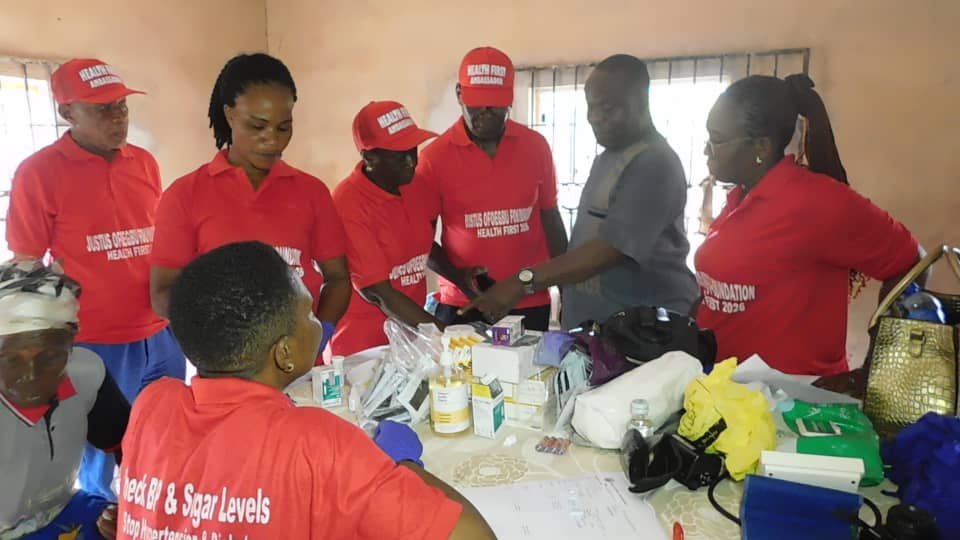
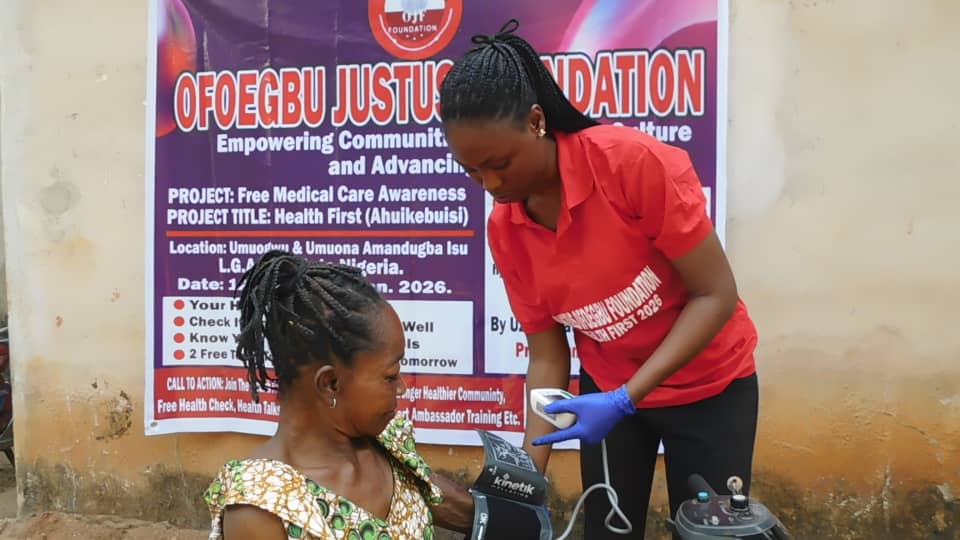
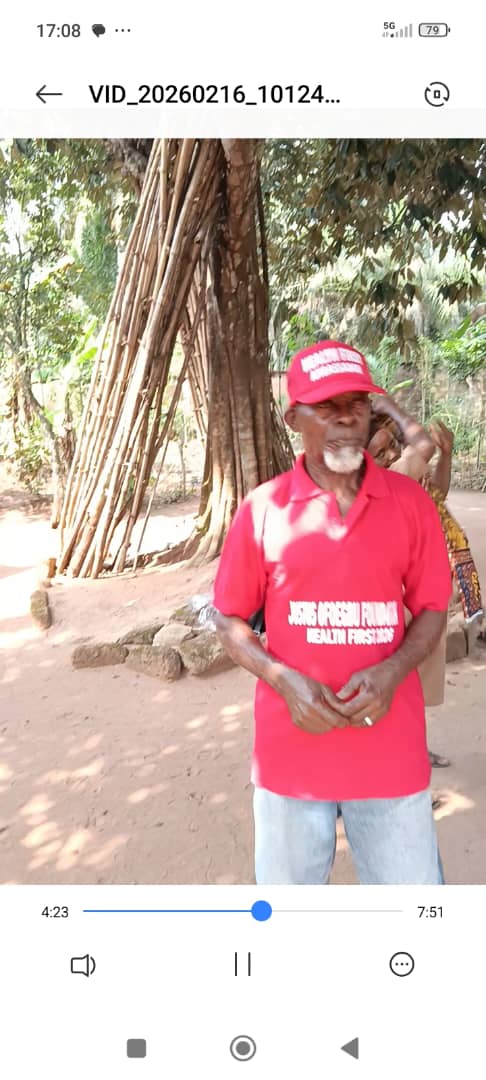
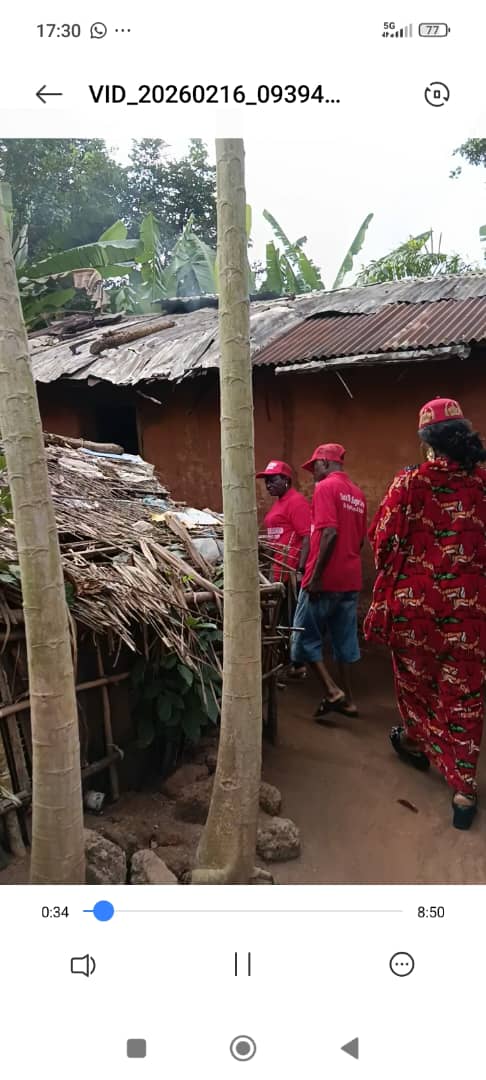
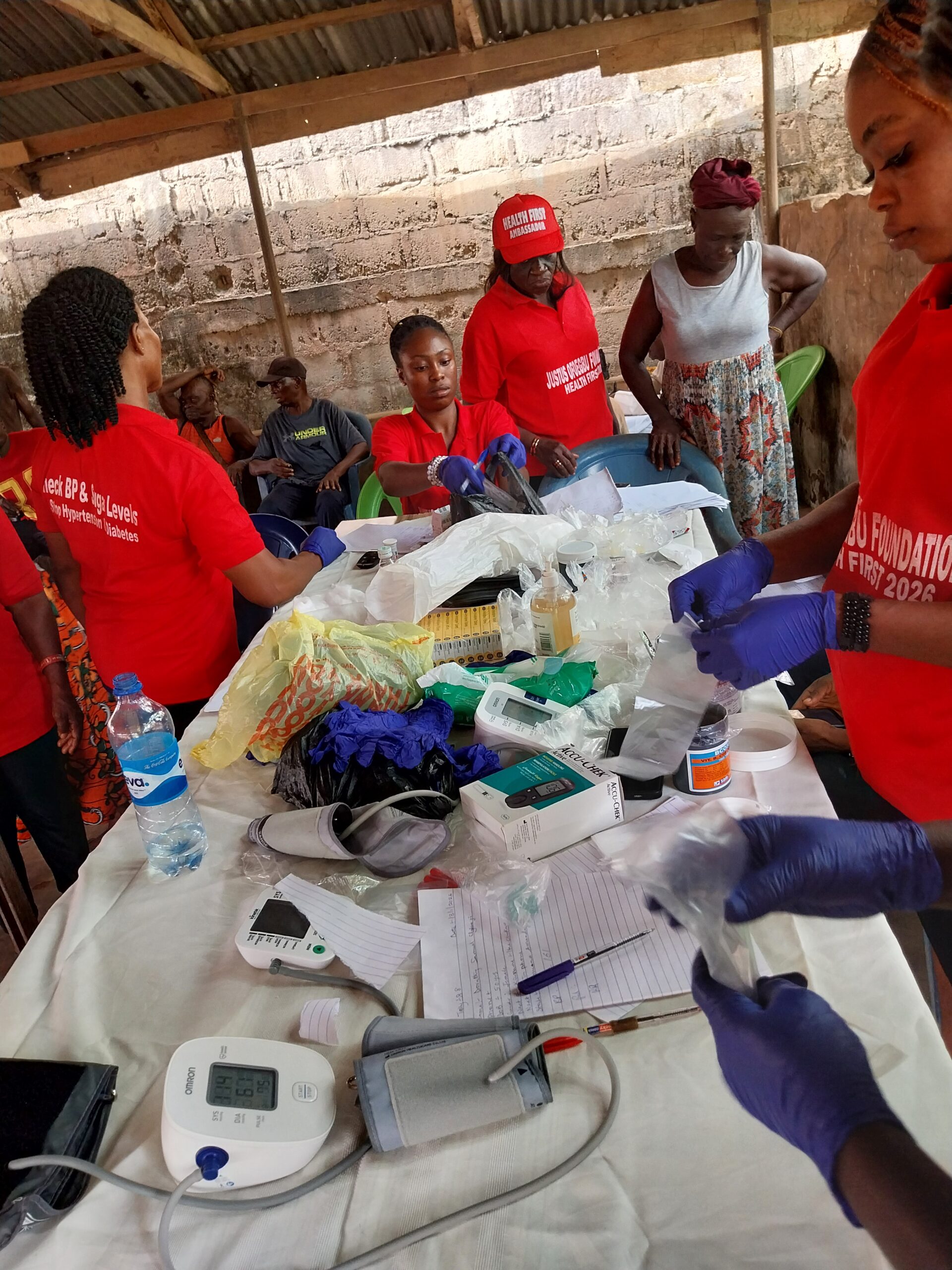
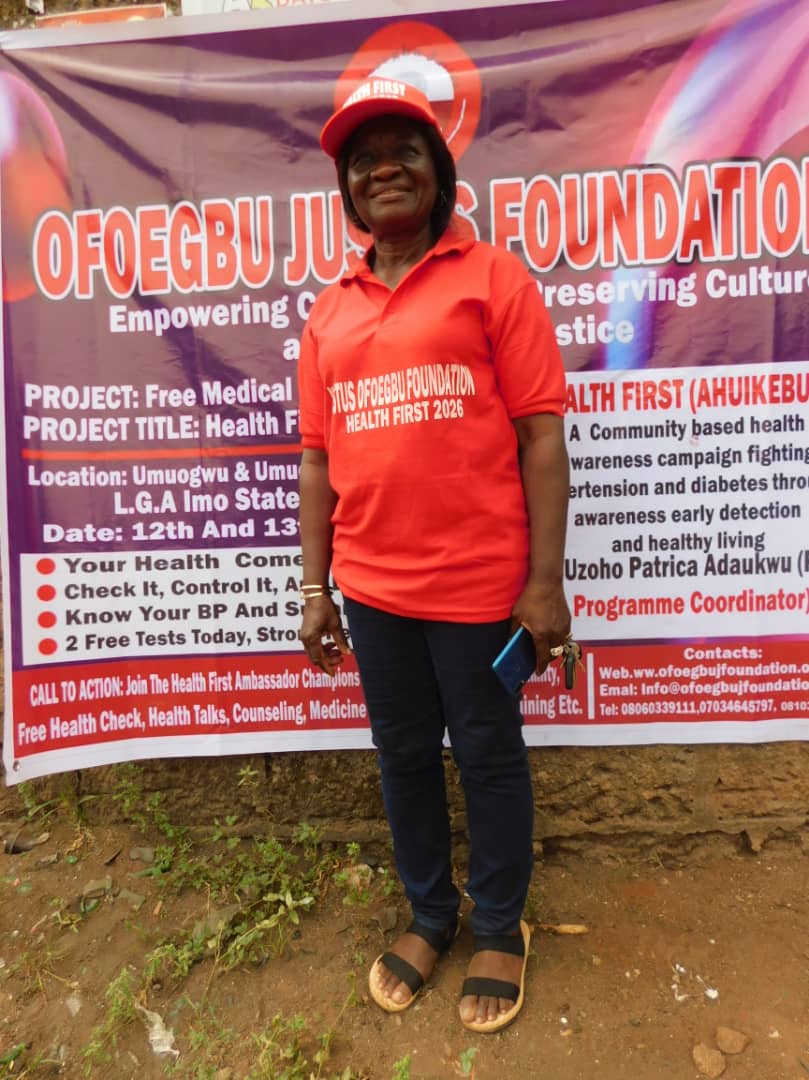
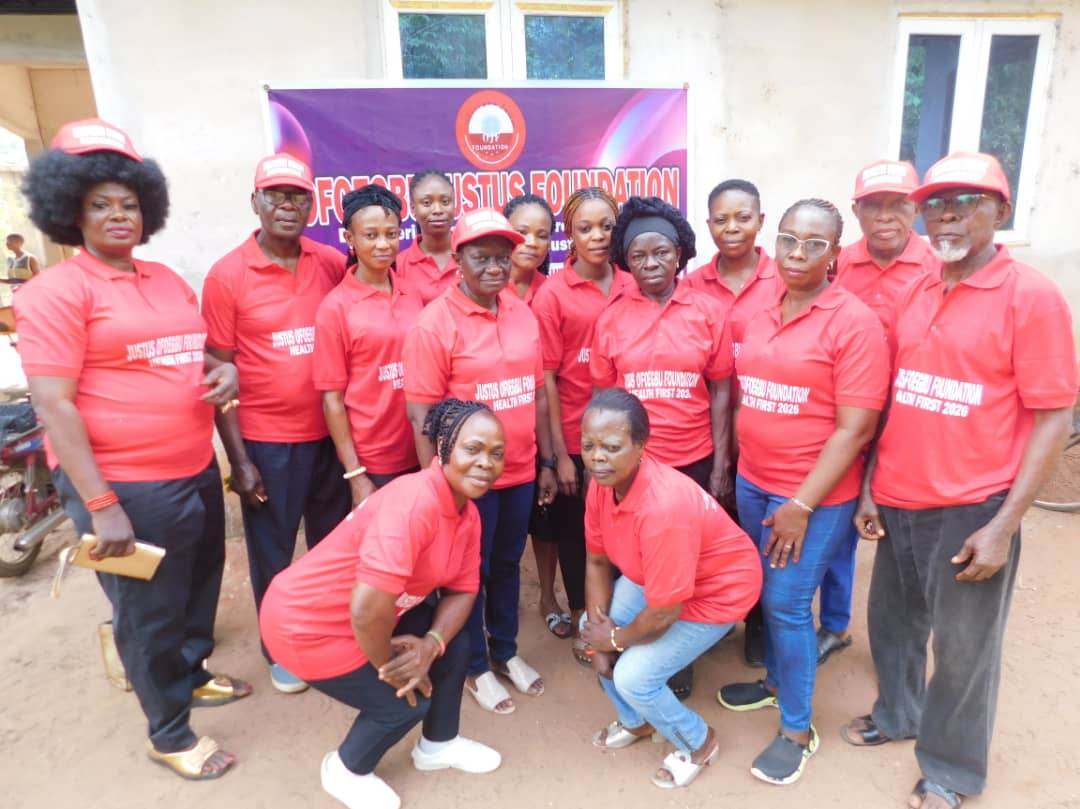
The Health First Project was designed as a direct response to this growing crisis. Implemented in Umuogwu and Umuona villages in Amandugba community, Isu LGA, the intervention combined health education, free medical screening, and treatment services to address both the immediate and underlying gaps in care. Baseline findings revealed a stark reality – most participants had never checked their blood pressure or blood sugar levels, and widespread misconceptions about these conditions persisted.
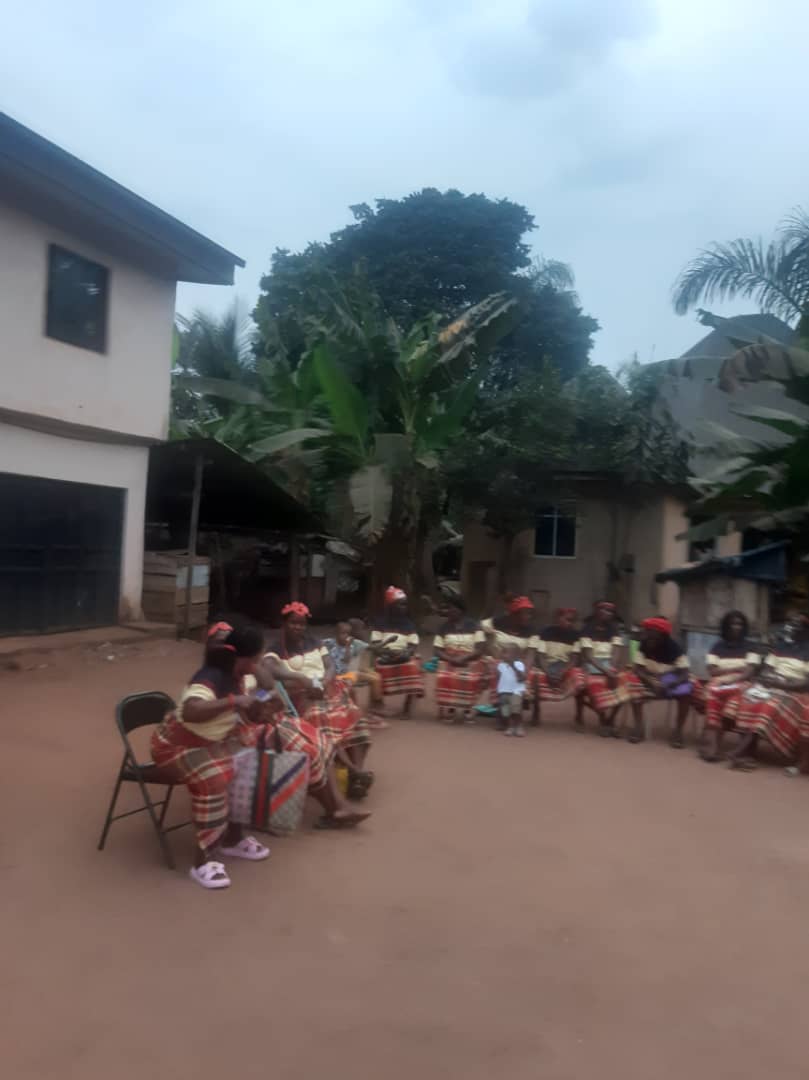
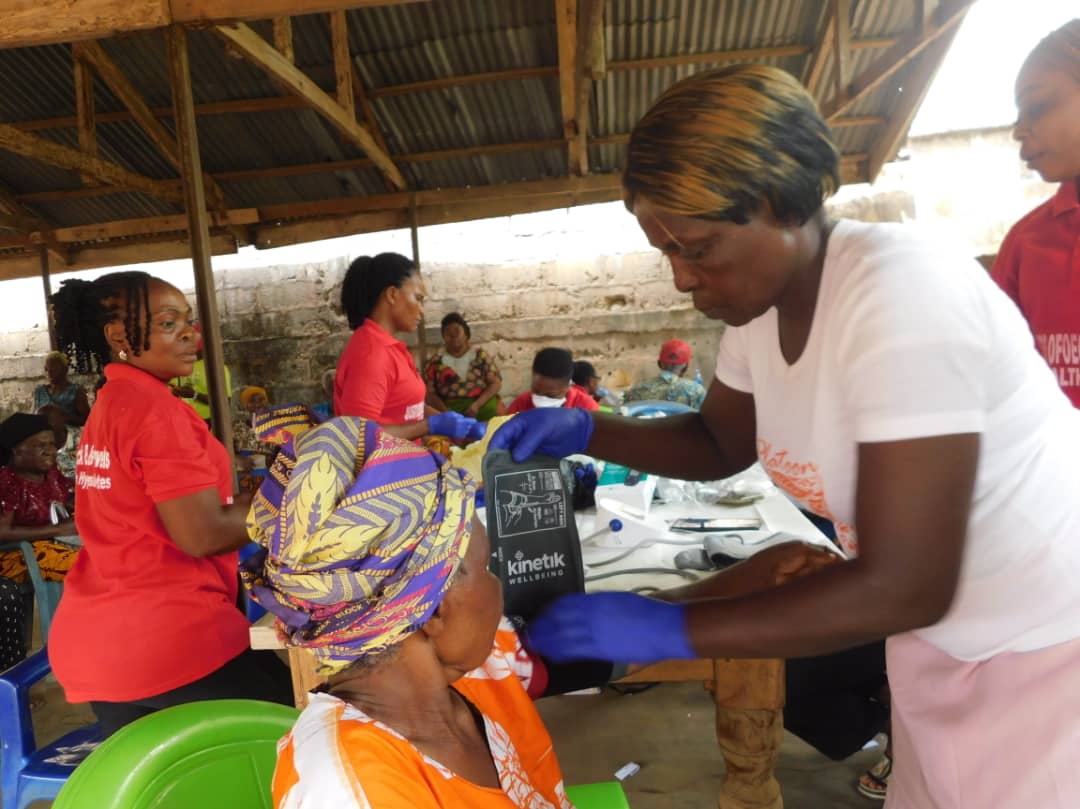
Through community sensitization, led by healthcare professionals including Dr. Patricia Uzohuo, and supported by on-the-ground screening and consultations, the project helped demystify hypertension and diabetes, emphasizing that early detection and lifestyle changes can greatly improve health outcomes. The outreach screened 505 individuals, uncovering a high number of previously undiagnosed cases and reinforcing the urgent need for sustained intervention.
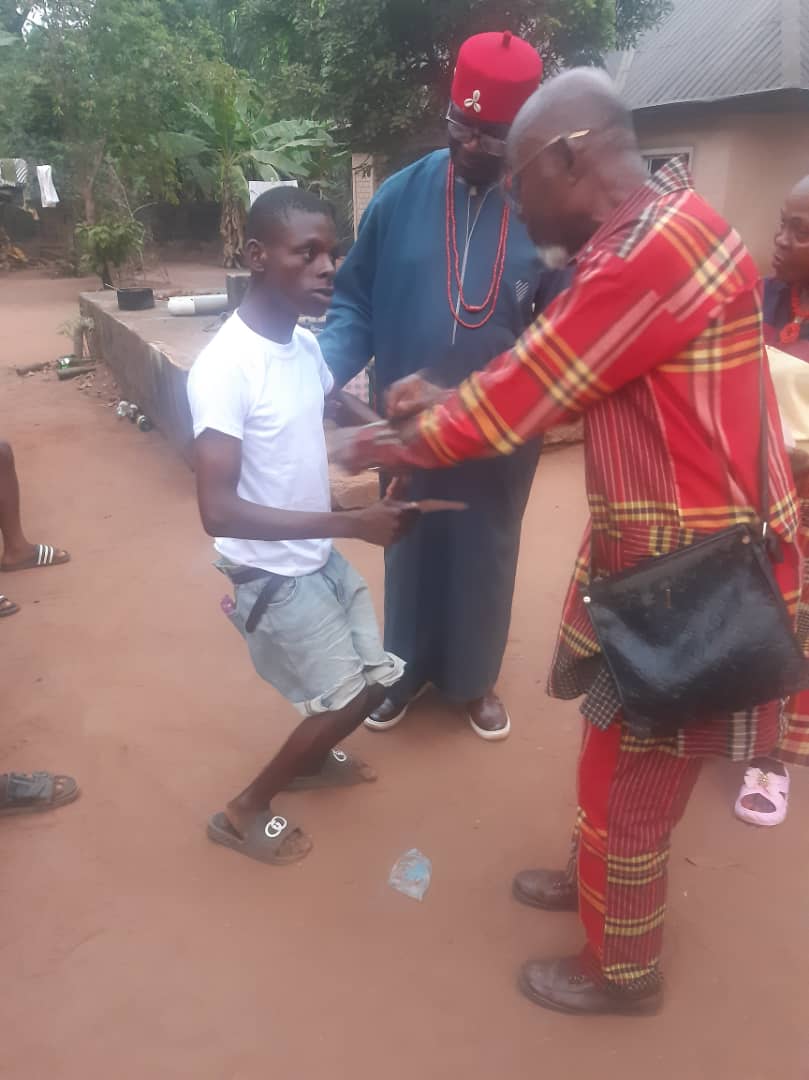
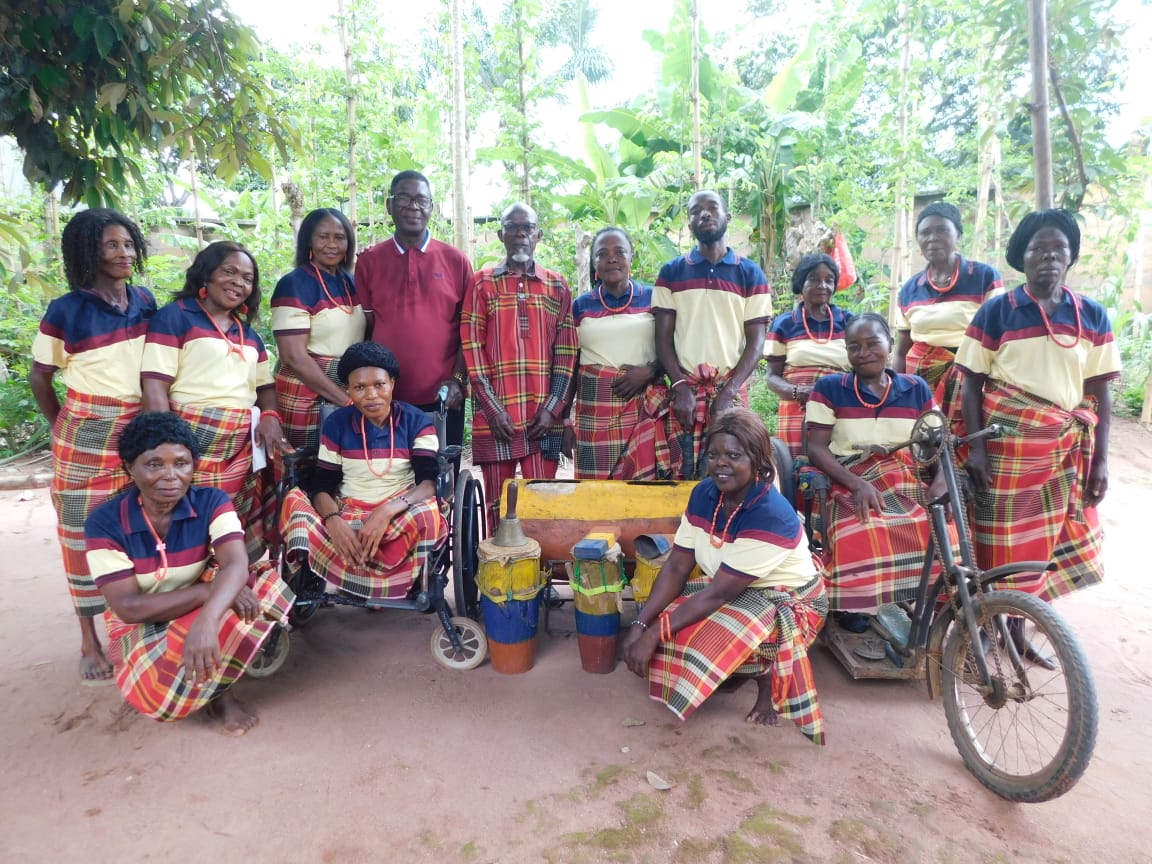
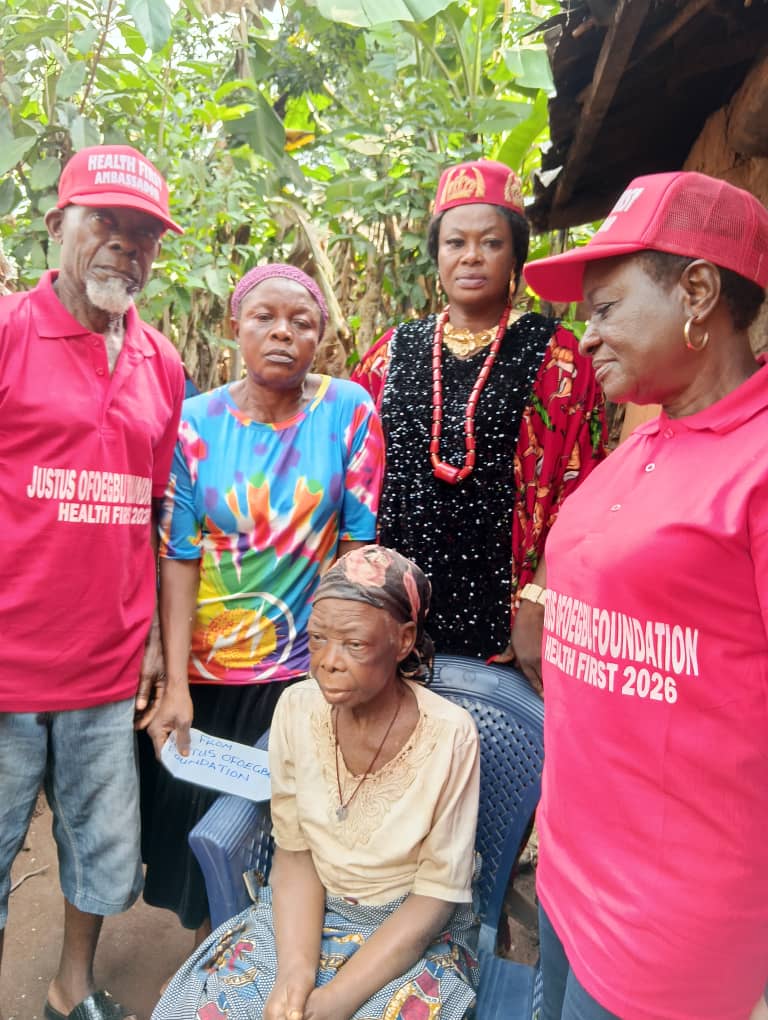
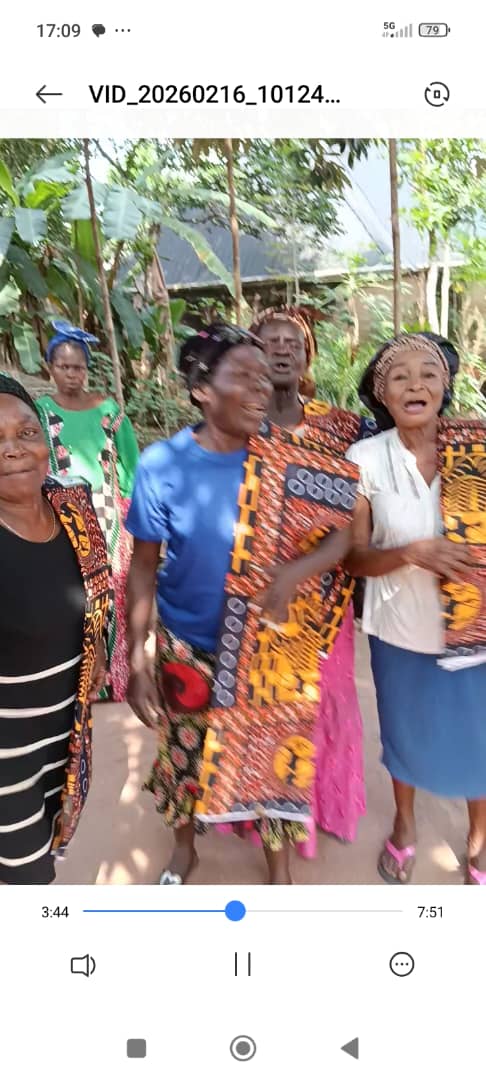
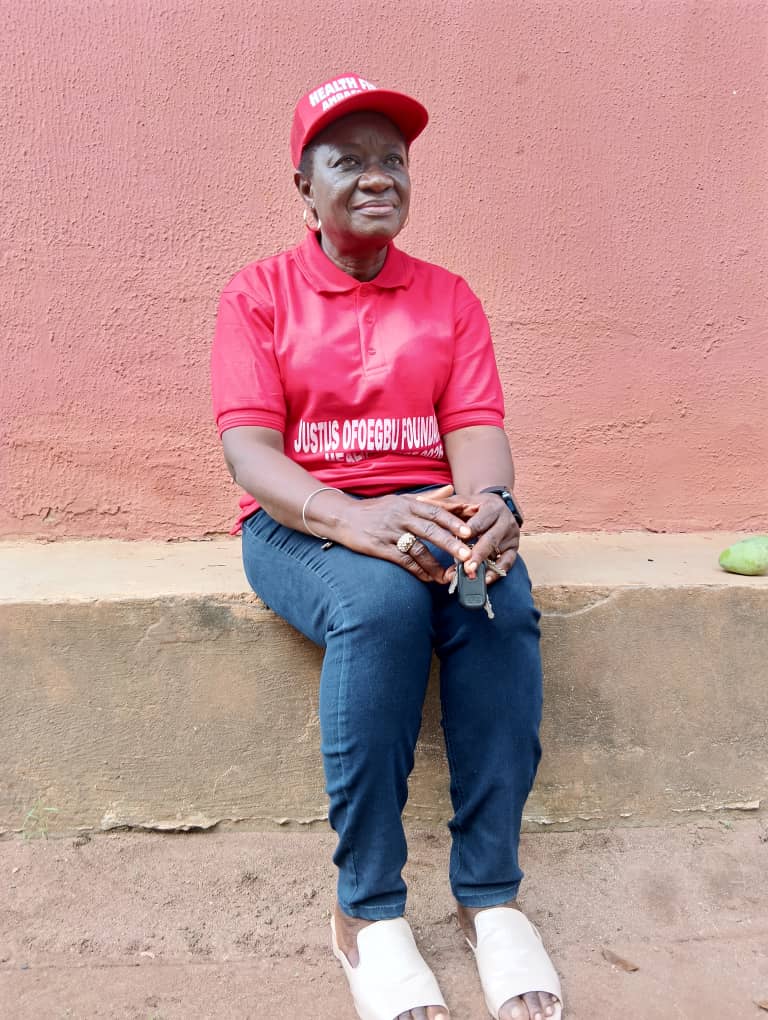
Beyond the numbers, the project also highlights the human stories behind the statistics – individuals navigating poverty, disability, and limited access to healthcare, yet demonstrating resilience and a willingness to engage when services are made available.